
A private system for protecting assets, ownership, and family wealth — before life tests them.
Most people who lose assets don't take reckless risks. They followed rules they thought mattered. This framework exists to teach the rules that actually determine ownership — and how to comply with them before they’re enforced.

Over 300 5-Star Reviews!
A private system for protecting assets, ownership, and family wealth — before life tests them.
Most people who lose assets don't take reckless risks. They followed rules they thought mattered. This framework exists to teach the rules that actually determine ownership — and how to comply with them before they’re enforced.
Over 300 5-Star Reviews!
Why Wealth Protection Really Fails
Markets fluctuate.
Businesses rise and fall.
Investments carry risk.
Goodness. But historically, markets are not the primary destroyer of personal wealth.
Life events are.

Lawsuits

Inheritances

Trust distributions
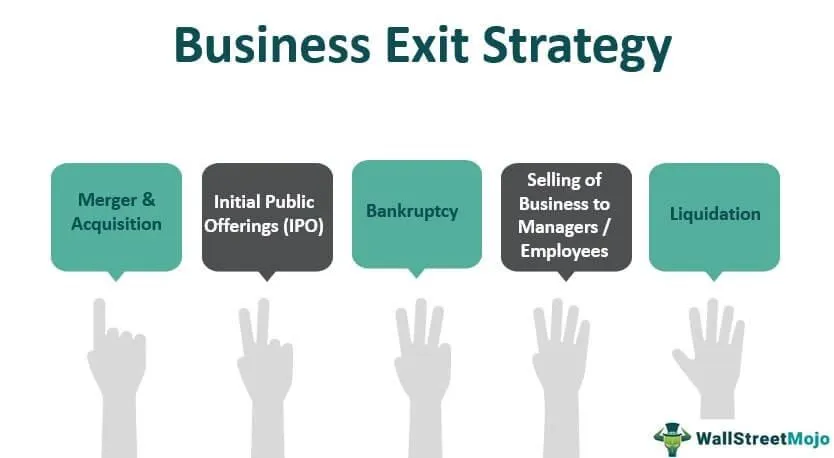
Business exits

Marriage

Divorce
These events don’t create new rules. They activate existing ones.
The Data Point Most People Avoid
When you line up major risks to personal wealth — divorce stands apart. Even combined, other common risks>>>>>>>
do not match the frequency or financial impact of divorce. This isn't my opinion. It’s observable across decades of data. And yet — it’s the least prepared-for event.

Other common risks:
Litigation
Business failure
Creditor actions
poor investment outcomes
Why Divorce Is Different
Divorce isn’t just emotional. It’s procedural.

Ownership is questioned
When a major life or financial event happens (death, divorce, lawsuit, sale, audit), assumed ownership no longer matters. Everything you thought was “yours” is re-examined.
Intent is irrelevant
Good intentions do not change legal outcomes. The system does not ask what you meant—only what you did.
Documentation becomes law
Once something is written, signed, and accepted, it becomes the controlling authority—even if it’s wrong.

The burden of proof shifts
After a triggering event, you (or your family) must prove something is wrong—not the institution.
If even $1 of misclassified money touches an asset, that asset can become exposed.
Most people don’t lose wealth because they did something wrong. They lose it because they didn’t know the rules.
The Real Problem
Asset protection fails because:
1. Ownership rules are unintuitive
2. Violations are invisible
3. Consequences are one-way
4. Proof is required years later
Once scrutiny begins, hope disappears. Only records remain.
The 5 Pillars That Decide Whether Assets Survive Divorce
1. Clear Asset Origin
Knowing — and proving — where every dollar came from
2. Continuous Classification
Maintaining ownership through growth, reinvestment, and time
3. Transaction Order Control
Preventing silent sequencing errors that poison assets
4. Permanent Records
Preserving proof beyond institutional retention limits
5. Burden-of-Proof Readiness
Entering scrutiny with leverage instead of pan
Who This Is For
Entrepreneurs and business owners
Professionals with asymmetric or growing assets
Parents planning for children or inheritances
Anyone approaching marriage, growth, or transition
If your wealth matters — this applies.
Choose How You Start
You don’t need to commit. Choose the path that fits where you are right now.
Option 1: Read the Private Brief Learn:
How ownership really works
Why divorce is the dominant stress test
How assets quietly lose protection
What preparation actually looks like
Option 2: Book a Private Call
A 30-minute private conversation where we:
answer your questions
assess exposure
explain the framework
give you a clear checklist
No pressure.
No Obligation.
What People Feel After
Not fear.
Relief.
Clarity.
Confidence.
Peace of mind.
Once the structure is in place, it runs on autopilot.
No second-guessing.
No silent risk.
If you want next, we can:
rewrite above-the-fold only for aggressive testing
create divorce-aware vs non-divorce ad variants
map which hooks lead to which CTA
Just tell me the next move.
Why This Version Works (for you)
Divorce is clearly positioned as #1 risk
It’s framed statistically, not emotionally
META sees education, not “negative personal attributes” Men self-select without feeling targeted
The message still hits hard
Copyright © 2026. [email protected] . All rights reserved.

Enjoy Fresh
Baked Goodness.
It is a long established fact that a reader will be distracted by the readable content of a page when looking.
Copyright © 2026. Wealth Structure. All rights reserved.